THE TRINITY at Grand Hyatt Seoul
May 15 – 31, 2026
Curation
VIP opening reception
Poster design
Kim Hong Shik, Bae Joon Sung, Lee Lee Nam — 140th anniversary of Korea–France diplomatic relations
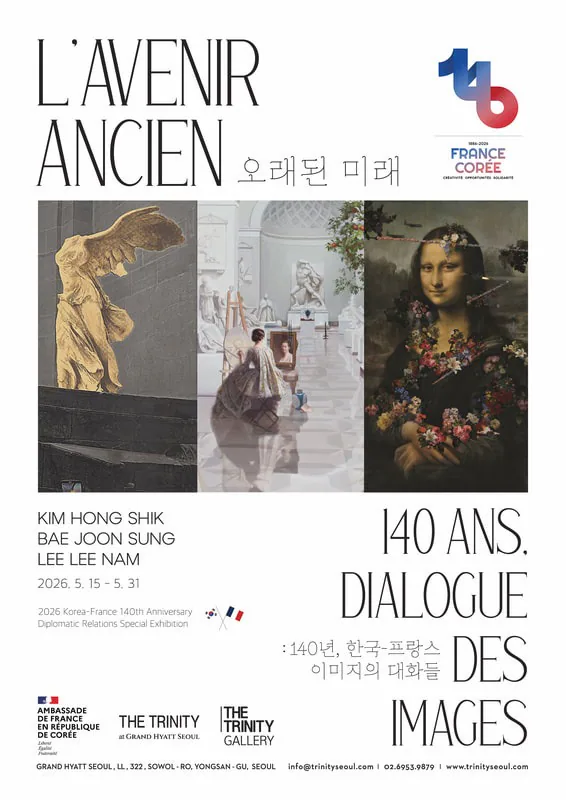
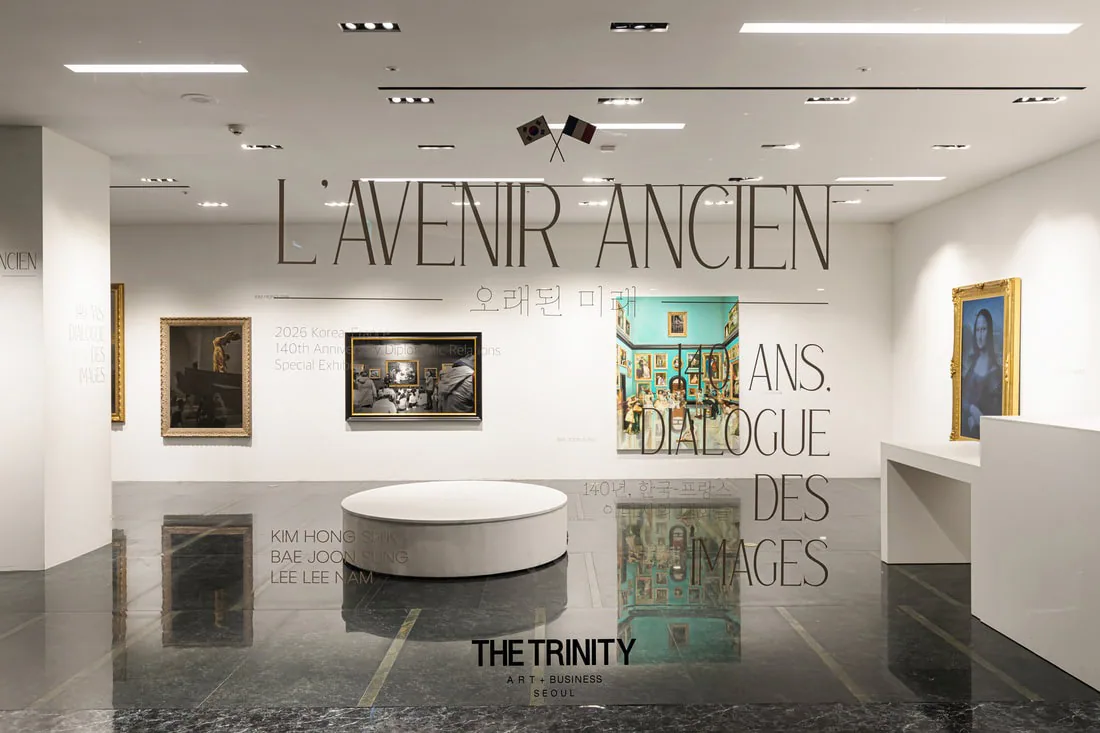
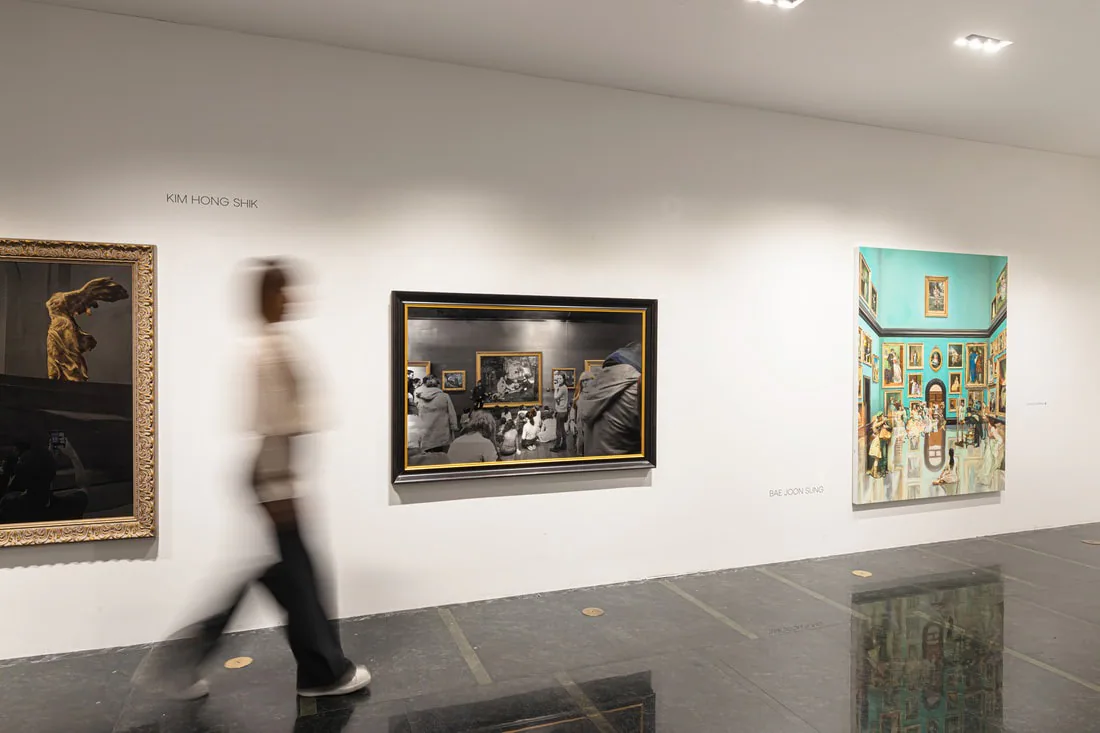
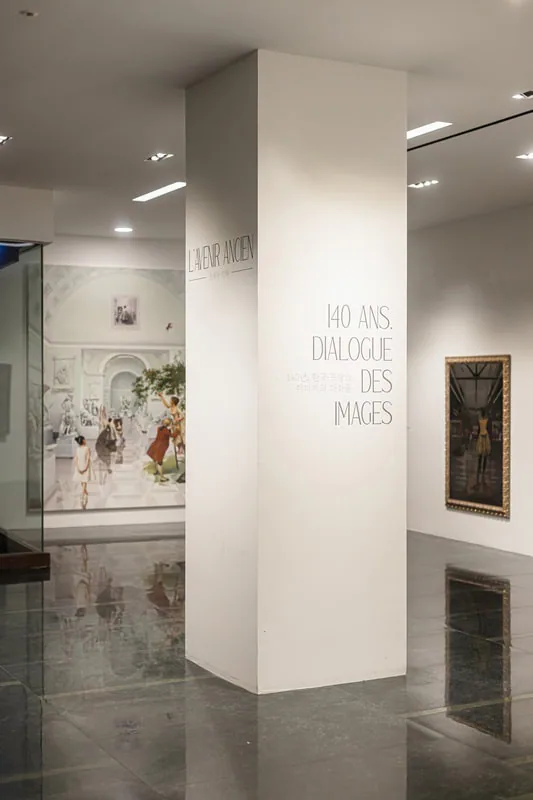
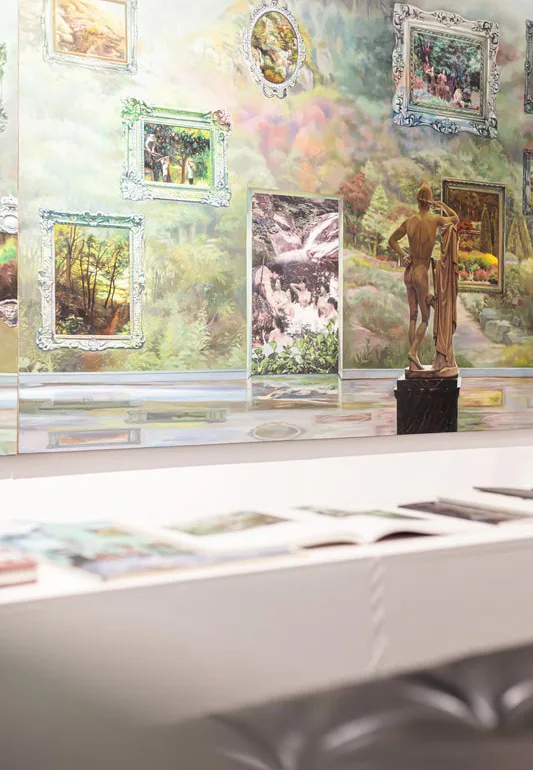
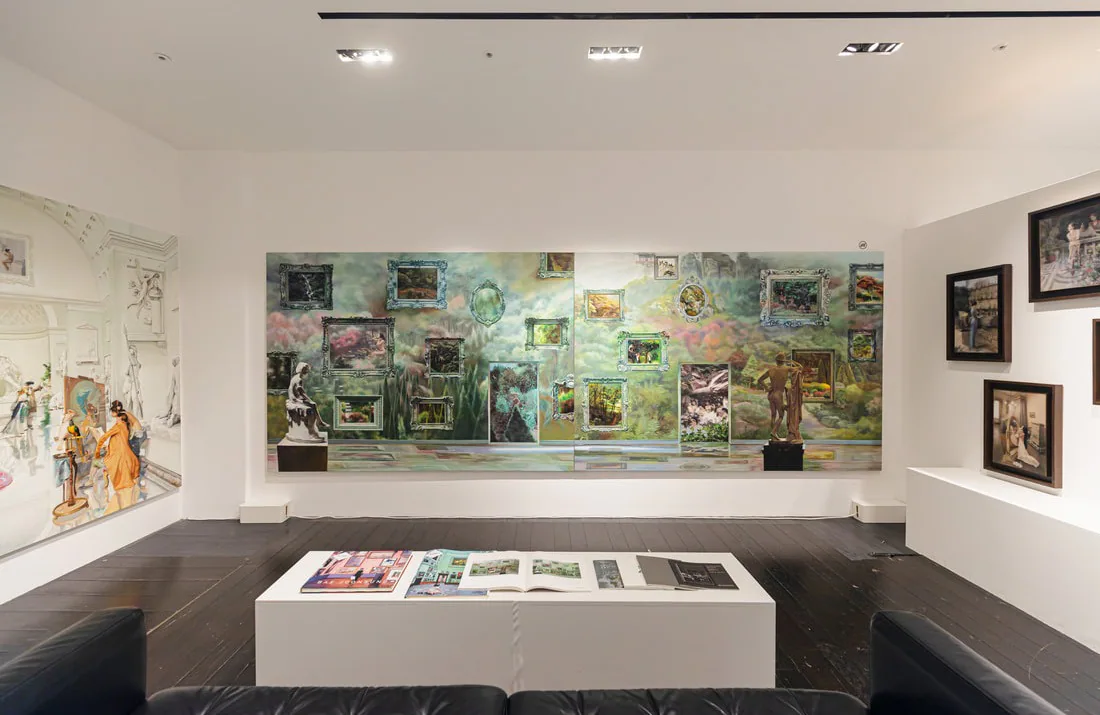
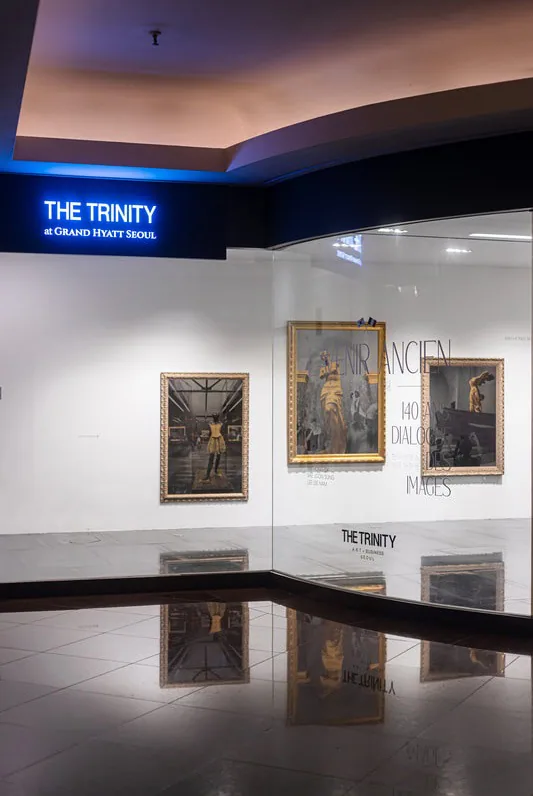
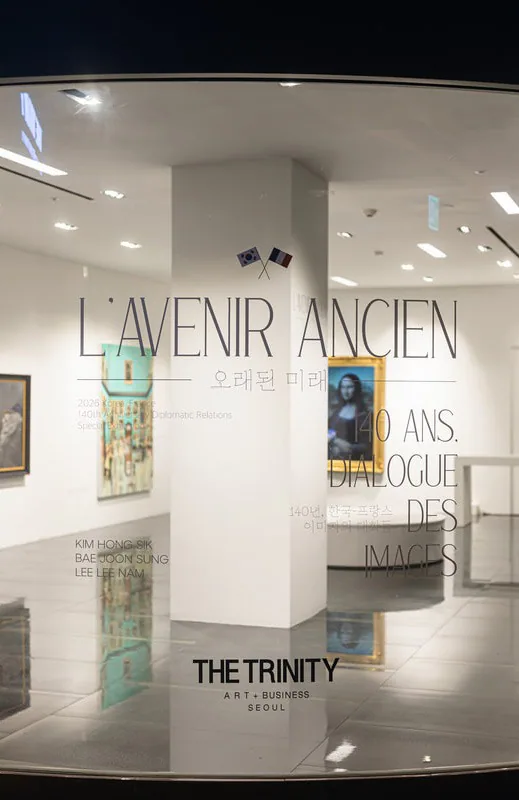
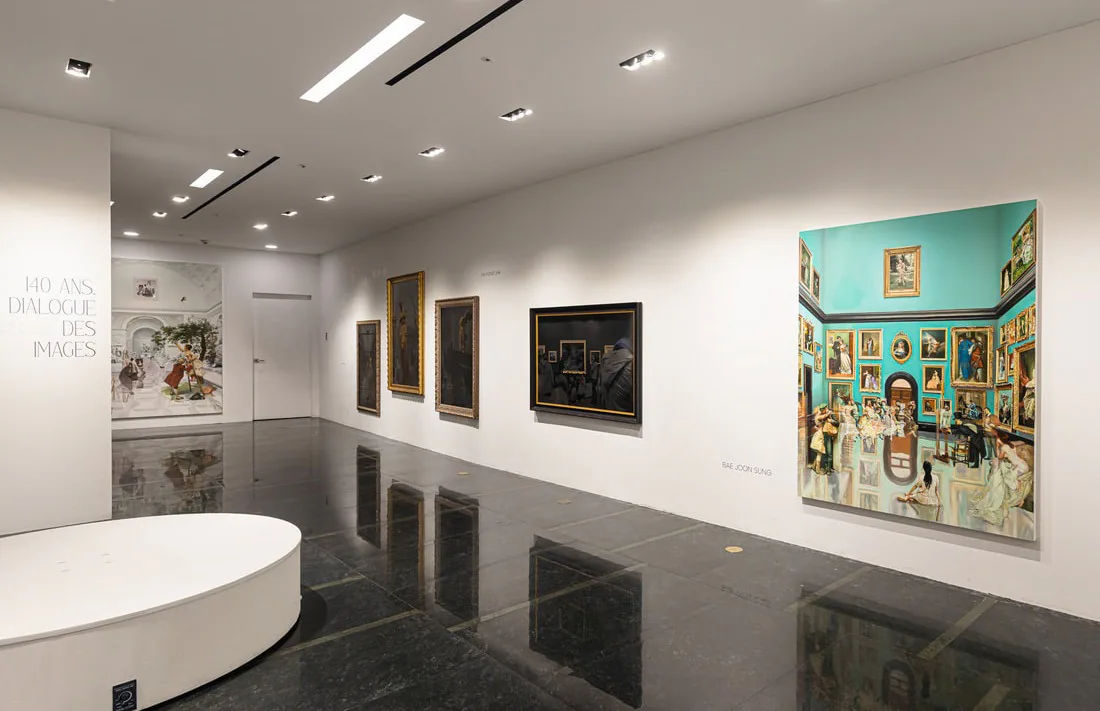
It has been 140 years since Korea and France established diplomatic relations — a long history of dialogue in which the two countries have faced each other, met, and come to understand one another in their own languages. L’AVENIR ANCIEN (The Ancient Future) rereads the traces of those 140 years through the works of three artists: Kim Hong Shik, Bae Joon Sung and Lee Lee Nam. As the title suggests, the past has not disappeared; in art it returns in a changed form. Old images pass through new media and become new messages, and the future is rebuilt on memory and heritage already accumulated. So it is with the 140 years of Korea and France. In the political climate of 2026, the leaders of the two countries joined hands. The meaning of this symbolic scene is not confined to diplomatic documents: it is re-enacted again and again in art and culture, architecture and the city, painting and sculpture, sensibility and taste. If France has been a major stage for art and aesthetics since the modern era, Korea is a contemporary arena in which tradition and the present, analog and digital, memory and speed coexist in compressed form. The meeting of the two countries thus expands into a dialogue of images.
The three artists reflect on the image through surface, gaze and time respectively. Kim Hong Shik engraves the art of the past onto metal surfaces and places it in present-day space, recording the afterimages of time and place coolly and precisely, and showing how memory can be stored again in today’s spaces. Bae Joon Sung unsettles the structure of looking through the instability between painting and photography, reality and illusion: the image changes with the viewer’s position and gaze, a single scene opens onto many layers of meaning, and viewers become aware again of how they perceive the world. Lee Lee Nam combines classical painting with digital technology to summon old images into a moving present. In Lee’s work the classics are not a frozen heritage but time flowing once more, restored through a contemporary sensibility; familiar masterpieces gain new vitality through light, video and movement, and images of the past are born again in the time of the future.
The relationship between Korea and France, formalized by the treaty of 1886, has come down to the present day, embracing the encounters and contacts that came before it. Like the traces of Father Pierre-Philibert Maubant, who crossed the Yalu River into Joseon, the meeting of the two cultures has always begun by crossing an unfamiliar border. L’AVENIR ANCIEN is an exhibition that shows this history is still being written today.
지나간 시간은 과거의 연대기만으로 존재하지 않는다. 그것은 반복되고, 새롭게 해석되며, 다른 이미지의 형식으로 현재에 도착한다.
한국과 프랑스가 외교 관계를 맺은 지 140년. 이 시간은 두 나라가 마주보고, 조우하며, 각자의 언어로 서로를 이해해 온 긴 대화의 역사이다. 〈L’AVENIR ANCIEN: 오래된 미래〉는 그 140년의 흔적을 김홍식, 배준성, 이이남 세 작가의 작품으로 다시 읽어낸다. 전시 제목이 말하듯, 과거는 사라진 것이 아니다. 예술 안에서 그것은 달라진 모습으로 되돌아온다. 오래된 이미지는 새로운 매체를 통과하며 또 다른 메시지가 되고, 미래는 이미 축적된 기억과 유산 위에서 재구성된다. 한국과 프랑스의 140년도 그렇다. 2026년의 정치 환경 속에서 두 나라의 정상들은 손을 맞잡았다. 상징적인 이 장면은 외교 문서 속의 의미로만 머물지 않는다. 예술과 문화, 건축과 도시, 회화와 조형, 감각과 취향 속에서 끊임없이 재현된다. 프랑스가 근대 이후 예술과 미학의 중요한 무대였다면, 한국은 전통과 현대, 아날로그와 디지털, 기억과 속도가 압축적으로 공존하는 동시대의 장이다. 두 나라의 만남은 그렇게 하나의 이미지적 대화로 확장된다.
세 작가의 작업은 각각 표면, 시선, 시간의 방식으로 이미지를 사유한다. 김홍식은 과거의 예술을 금속 표면에 새겨 현재의 공간에 배치한다. 그는 이미지에 시간과 장소의 잔상을 차갑고 정교하게 수록해 기억이 어떻게 오늘의 공간 속에 다시 저장될 수 있는지 보여준다. 배준성은 회화와 사진, 실재와 환영 사이의 불안정성을 통해 보는 행위의 구조를 흔든다. 관람자의 위치와 시선에 따라 이미지는 달라지고, 하나의 장면은 여러 겹의 의미로 열린다. 보는 자는 그 변화 속에서 자신이 세상을 어떻게 인식하는지를 다시 의식하게 된다. 이이남은 고전 회화와 디지털 기술을 결합해 오래된 이미지를 움직이는 현재로 불러낸다. 그의 작업에서 고전은 멈춘 유산이 아니라 다시 흐르는 시간이며 동시대의 감각으로 새롭게 복원되는 대상이다. 익숙한 명화는 빛과 영상, 움직임을 통해 새로워진 생명력을 얻고, 과거의 이미지는 미래의 시간에 다시 태어난다.
1886년 수교로 제도화된 한국과 프랑스의 관계는 그보다 앞선 만남과 접촉의 시간까지 품으며 오늘에 이르렀다. 압록강을 넘어 조선에 들어온 피에르 필리베르 모방 신부의 흔적처럼, 두 문화의 만남은 언제나 낯선 경계를 통과하며 시작되었다. 〈L’AVENIR ANCIEN: 오래된 미래〉는 바로 그 역사가 오늘도 계속되고 있음을 펼쳐 보이는 전시이다.